
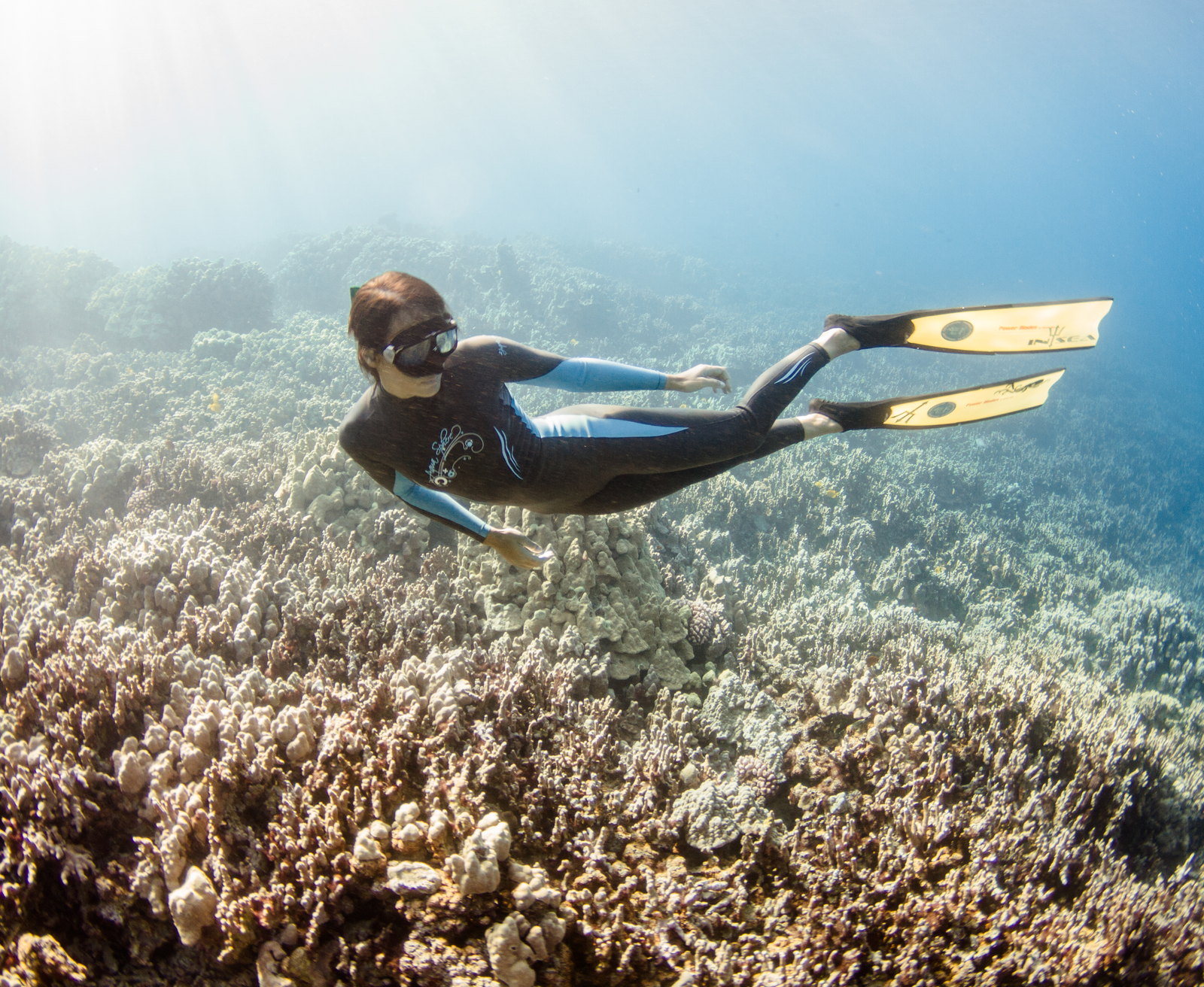
Getting Started with Freediving
Freediving is not about forcing yourself deeper or staying down as long as possible. It is about learning to move efficiently, relax under pressure, understand your limits, build a stronger mind-body connection, and dive with a trained buddy system.
What Is Freediving?
Freediving is underwater diving without scuba equipment. Instead of breathing from a tank, a freediver takes one breath at the surface, then returns to the surface before breathing again.
People learn freediving for many reasons: reef exploration, spearfishing, photography, ocean confidence, performance, self-improvement, or simply the experience of moving calmly through the water. For many divers, freediving becomes a way to balance mind and body while developing a deeper relationship with the water. The activity can look simple from the outside, but good freediving depends on skill, awareness, and disciplined safety habits.
The goal is not to prove how long you can hold your breath, that is only one small aspect of freediving. The goal is to become a competent diver.
Why Training Matters
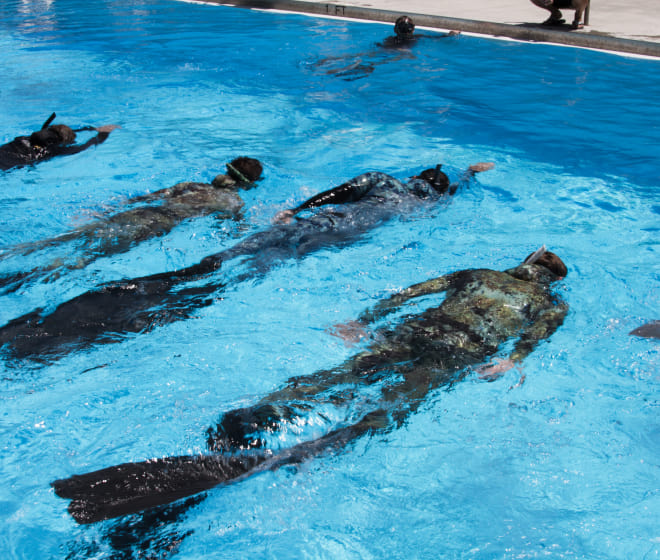
Many people can swim, snorkel, or dive underwater for short periods without formal training. That does not mean they understand freediving safety or can utilize their true aquatic potential.
A proper freediving course teaches you how to prepare for a dive, how to dive with a buddy, how to recognize and manage problems, how to recover correctly at the surface, how to progress in your mind and body control, and how to build ability without guessing.
FII training is built around the idea that certification should reflect real knowledge and skill, not just course attendance or depth alone.
Where Most Divers Should Start
New Divers
For most students, FII Level 1 Freediver is the starting point. It gives new divers the fundamentals of safety, rescue, technique, and knowledge needed for more capable and confident freediving.
Water People
Strong swimmers, spearfishers, surfers, scuba divers, and experienced ocean people still benefit from a formal foundation in freediving-specific safety, equalization, buddy procedures, and technique.
Certified Divers
Level 1 is often still the best starting point, but certified freedivers can also choose a crossover evaluation with an FII instructor. Real skill translates.
What You Learn in an FII Level 1 Course
An FII Level 1 course introduces the foundation for safe recreational freediving. Students learn how to breathe and recover correctly, how to equalize, how to use efficient body position and finning technique, how to extend their breath-hold, and how to apply those skills in open-water diving.
Just as important, students learn how to act as a trained buddy. Freediving is not a solo activity. A competent buddy knows how to watch a diver, where to be, what warning signs matter, and how to respond if a diver needs help.
The course is designed to build real ability, not just confidence. Confidence matters only when it is supported by skill and judgment.
Is Freediving Safe?
Freediving, when practiced correctly and with a trained buddy, carries far less risk than uninformed or solo diving. However, it is an activity with high stakes. The most serious mistakes usually come from treating freediving as a solo challenge or trying to progress in performance without the right foundation or without fully understanding the concepts of safe progression.
FII teaches freediving as a skill-based activity. Safety is not a separate topic added at the end. It is part of how the dive is prepared, performed, watched, and completed.
Where Freediving Can Take You
Once the foundation is in place, freediving can support many goals.
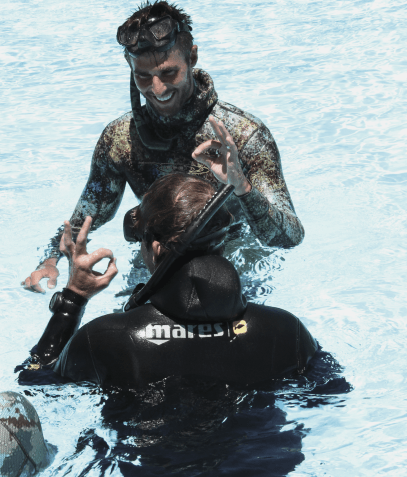
Some divers continue into FII Level 2 and Level 3. Some use freediving for spearfishing, underwater photography, ocean exploration, or better in-water confidence. Some eventually move toward professional training and become instructors.
The path depends on your goals, but the foundation matters in every direction. Whichever way you aim, every FII course builds on the skills learned in the previous course. The goal is to replace trial and error with a training system that helps you pursue your objectives with a stronger foundation and efficient science-based approach.
Frequently Asked Questions
Do I need to be an advanced swimmer to learn freediving?
You should be comfortable in the water, but you do not need to be an elite swimmer. A good beginner course teaches technique, safety, and controlled progression. If you are unsure whether you are ready, contact the instructor before registering. They can help you understand where to begin and how to start your journey toward becoming a freediver.
Can I teach myself freediving?
You can learn about freediving from books and videos, but you should not rely on self-teaching alone. Freediving requires a trained buddy system, rescue procedures, and feedback on technique and habits that are difficult to judge alone.
Just as important, beginners often do not know what they do not know. That is understandably very dangerous, but it is also limiting. Many people try to figure out freediving on their own, then look for advanced coaching only after their progress slows down. In most cases, that is backwards. The more correct information and skill you build early, the more independent your future growth can become. The more inconsistent habits you build early, the harder they can be to correct later, even with a good coach.
What is the first FII course I should take?
For most people, the first course is FII Level 1 Freediver. That includes many complete beginners, experienced water people without formal freediving training, and divers who want a stronger safety and technique foundation.
Is freediving only about depth?
No. Depth is only one possible measure. Good freediving also depends on relaxation, equalization, movement efficiency, recovery habits, buddy awareness, rescue readiness, and judgment.
The experience of a freedive and the way it makes you feel matter most. That can mean different things for different freedivers, and it can be expressed through different kinds of dives. Freediving requires skills that take time, effort, and discipline to build, but the final expression belongs to the diver. Some achievements can be measured by depth, time, or distance. Many cannot, and that does not make them smaller.
Can I take a course if I already freedive or spearfish?
Yes. Many experienced water people benefit from Level 1 because it formalizes safety, technique, and rescue procedures, which then make further coaching and training easier and more effective. However, if you already have substantial formal training, an FII instructor can help determine the right starting point for you.
How do I choose the right freediving course?
Your starting point depends on your experience and goals. New divers should start with FII Level 1 Freediver. Experienced water people, certified freedivers, or divers with other certifications should also consider Level 1 unless you already have substantial formal freediving training. Learn how to choose the right course for your current skills and objectives.